
Greenery makes apartments feel alive—but many popular houseplants are toxic if chewed. We selected six live plants commonly listed as non-toxic to cats and dogs by the ASPCA, plus placement rules so curious paws do not turn pots into toys.
Dek: ASPCA-aligned picks with mount height and pot weight tips—because pet-safe still needs to be knock-proof.Pain Point Bridge
Pet owners often choose plants by Instagram aesthetics, then discover lilies, pothos, or sago palms are dangerous after a vet scare. "Non-toxic" does not mean "good for digestion"—it means chewing should not cause systemic poisoning. You still want sturdy pots, elevation, and a clear list of what to avoid.
Cross-check every new species in the ASPCA toxic plant database. For toxic vs safe decision trees, see our Pet-Safe vs Toxic Plants guide and AI Lab pet-safe plant placement article.
Who This Is For
- ASPCA cross-checkers who distrust nursery “pet friendly” tags
- Climbers and chewers needing mount height, not just species lists
- Beginners pairing safe picks with shelf placement
Quick Verdict
| Award | Plant | Why it wins |
|---|---|---|
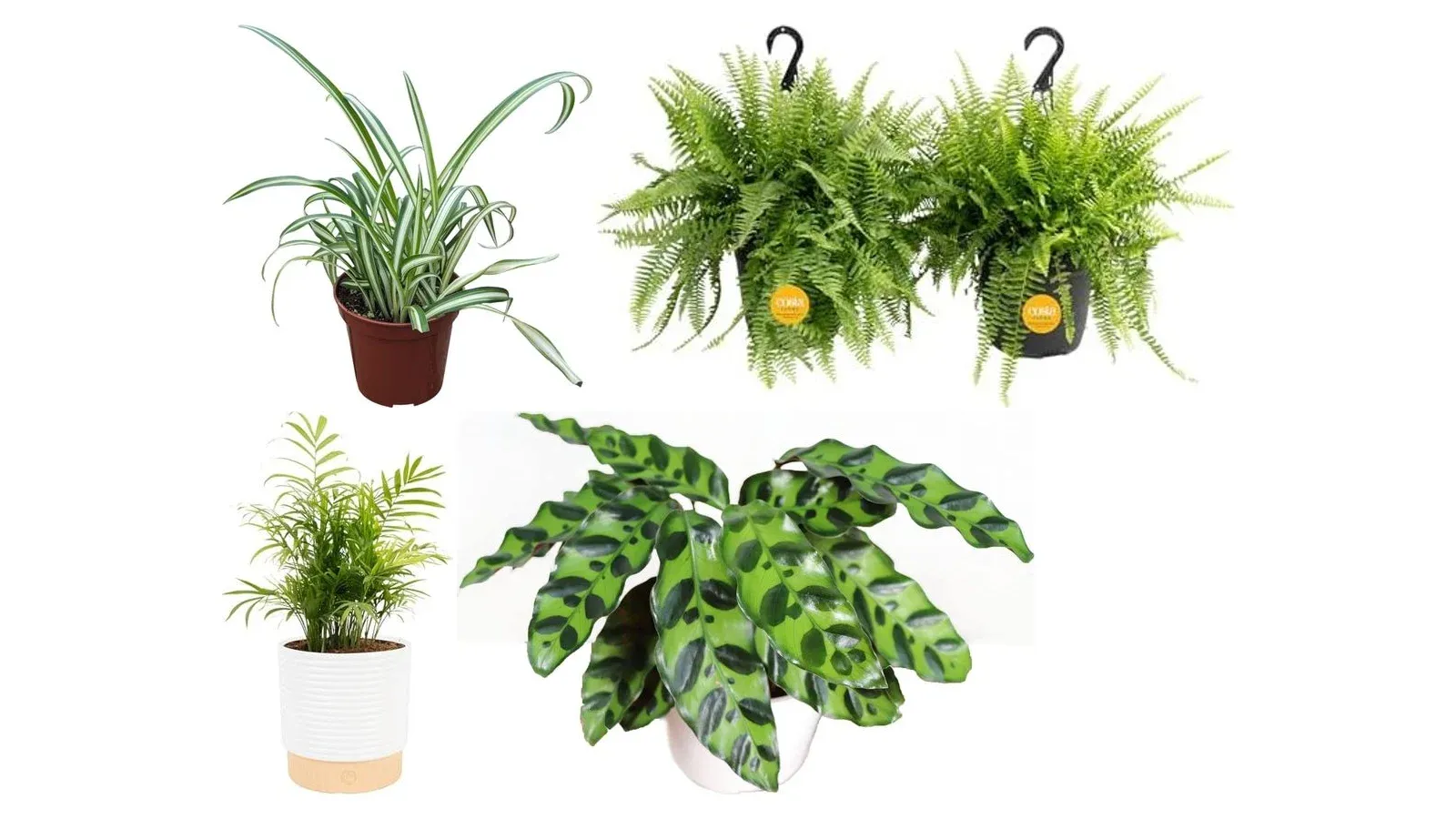
| Best Overall | Live Spider Plant | Hardy, hangs out of reach, ASPCA non-toxic |
| Best Humidity | Costa Farms Boston Fern | Bathroom-friendly texture cats may bat, not poison |
| Best Statement | Costa Farms Parlor Palm | Tall soft fronds, non-toxic if nibbled |
| Best Color | Calathea Triostar | Pink-green leaves without toxic lily risk |
| Best Compact Bloom | African Violet | Small footprint for windowsills |
| Best Edible-Style | Indoor Herb Garden Kit | Basil and parsley for humans—still supervise pets |
Product Recommendations
Live Spider Plant — Best Overall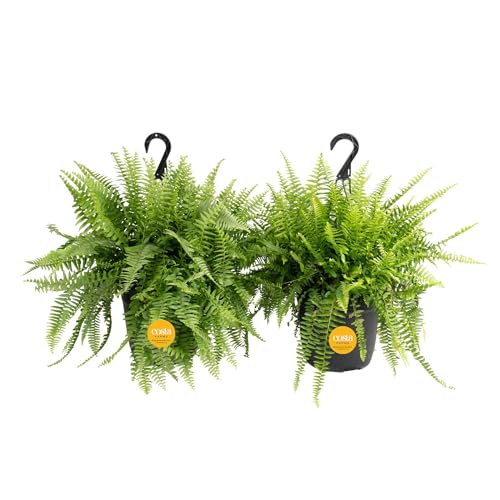
- Tolerates indirect light and occasional missed watering
- Hanging or high-shelf placement keeps most dogs away
- Produces plantlets you can propagate instead of buying risky species
- Cats may bat dangling leaves—messy, rarely toxic
- Brown tips signal fluoride or dry air—not pet damage alone
Costa Farms Boston Fern — Best Humidity Fit Score: 90/100 — Strong match for baths and kitchens where pets follow you. Pros
- Loves humidity from showers—fits pet-owner bathroom routines
- ASPCA lists Boston fern as non-toxic to cats and dogs
- Soft texture satisfies cats who like to touch plants without lily risk
- Needs consistent moisture—crispy if you forget watering
- Sheds fronds when stressed—vacuum, not panic
Costa Farms Parlor Palm — Best Statement
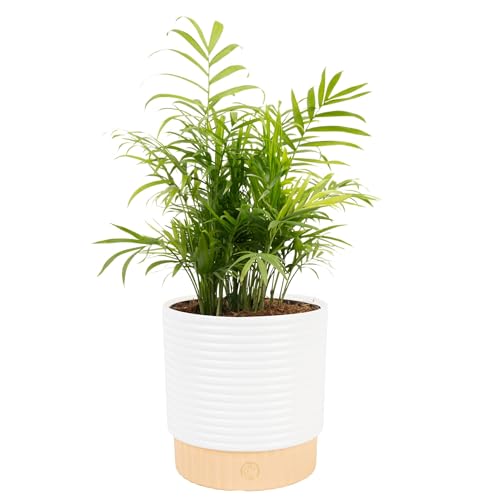
- Non-toxic parlor palm—not the toxic sago palm species
- Slow growth suits renters who do not want rapid size jumps
- Tolerates moderate indirect light in living rooms
- Floor pots invite dog tail whacks—anchor heavy ceramic
- Yellow fronds mean overwater or low light—not pet toxicity
Calathea Triostar — Best Color
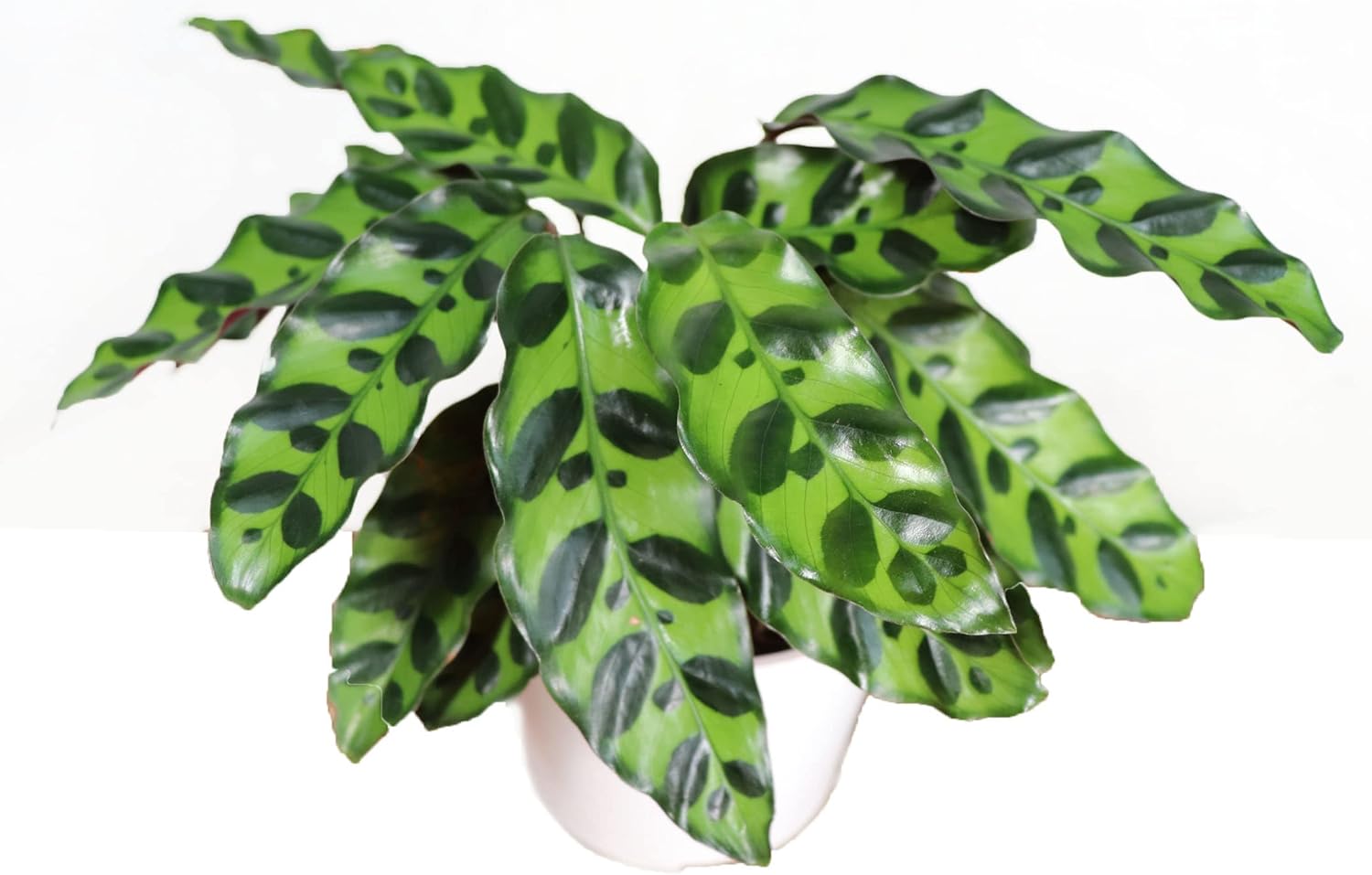
- Bold pink-green foliage without relying on toxic flowering bulbs
- Non-toxic listing for cats and dogs on ASPCA for calathea species
- Medium size fits plant stands that lift leaves off floor
- Demands stable humidity and filtered water in many homes
- Leaf curling signals care stress—research before blaming pets
African Violet — Best Compact Bloom

- Blooms in bright indirect light without toxic lily pollen risk
- Compact pot fits sills and wall ledges
- ASPCA non-toxic for cats and dogs
- Sensitive to cold drafts from windows—rotate for even growth
- Wet leaves spot easily—water soil, not foliage
Indoor Herb Garden Kit — Best Edible-Style

- Grows useful basil, parsley, and similar herbs humans actually eat
- Counter height keeps most dogs out; cats need supervision
- Teaches kids and guests which greens are intentional vs forbidden
- Not all kit herbs identical—check ASPCA for each seed type before planting
- Cats may still knock pots—use weighted trays
Comparison Table
| Spider Plant | Boston Fern | Parlor Palm | Calathea | African Violet | Herb Kit | |
|---|---|---|---|---|---|---|
| ASPCA non-toxic | Yes | Yes | Yes | Yes* | Yes | Verify each herb |
| Light | Moderate | Moderate | Moderate | Bright indirect | Bright indirect | Bright |
| Pet reach risk | Low if hung | Medium | Medium | Medium | Low on sill | Medium |
| Care level | Easy | Moderate | Easy | Fussy | Moderate | Moderate |
| Typical price | $10–$20 | $15–$30 | $20–$40 | $15–$30 | $10–$15 | $15–$30 |
| Editor's pick | ✅ Overall | ✅ Humidity | ✅ Statement | ✅ Color | ✅ Compact | ✅ Kitchen |
*Confirm species ID at purchase—common name alone is not enough for safety.

How We Evaluated
Byline: HomeGlean Editorial Team · Pet-friendly home & plantsHomeGlean uses AI-assisted research to analyze ASPCA listings, nursery care guides, and owner-review patterns. Every article is reviewed by a human editor before publication. We do not conduct hands-on product testing unless explicitly stated.
We:
- Cross-checked ASPCA non-toxic lists for cats and dogs (accessed during research, June 2026).
- Prioritized live plants available on major retailers, not obscure cultivars.
- Emphasized placement and supervision—non-toxic is not a chew toy endorsement.
- Price-checked listings on June 1, 2026.

How to Choose (Free Placement Rules First)
- Elevate before you decorate
- Wall shelves, hangers, and stands beat floor pots for cats. Free fix: move existing pots up before buying new ones.
- Ban known toxic species entirely
- Lilies, sago palm, pothos, and zz plant are common apartment hazards—remove them even if "the cat never chews."
- Match light honestly
- A non-toxic plant in a dark hall becomes a mess—not a safety win. See low-light plant picks for contrast (note: many low-light favorites are not pet-safe).
- Supervise new introductions
- First week: watch chewing, vomiting, or litter-box changes. Call your vet with any concern—this article is not veterinary advice.
Common Mistakes
- Trusting nursery tags alone — cross-check ASPCA lists for your exact cultivar.
- Floor pots for climbers — mount or weight heavy pots on ledges.
- Assuming dogs ignore foliage — puppies chew; place accordingly.
When This List Is Enough
For shelf layout after you buy, see plant shelf styling. Visual toxicity reference: pet-safe vs toxic guide.
What You'll Walk Away With
- Species short list with ASPCA cross-check habit
- Mount and weight rules for knock-proof placement
- Visual toxicity companion in pet-safe vs toxic
FAQ
Non-toxic means my pet can eat it freely?
No. Non-toxic plants can still cause vomiting or GI upset if eaten in quantity. Discourage chewing; call your vet if symptoms appear.
Are snake plants pet-safe?
No. Snake plants are popular for low light but are toxic to cats and dogs. Choose spider plant or parlor palm instead.
How high should I hang plants from cats?
Assume jump height plus reach—often 5–6 ft (1.5–1.8 m) for athletic cats. Hanging baskets with no launch surfaces nearby work best.
Can dogs and cats share the same safe plant list?
Most ASPCA non-toxic lists overlap for cats and dogs, but always verify the exact species. When in doubt, ask your vet.
Where do I see toxic plants to avoid?
Use our visual guide: Pet-Safe vs Toxic Plants and Best Pet-Safe Indoor Plants (and Where to Put Them).
Related Reading
- Pet-Safe vs Toxic Plants: A Complete Visual Guide
- Best Pet-Safe Indoor Plants (and Where to Put Them)
- How to Use Biophilic Design in Your Home on a Budget
- Best Low-Light Indoor Plants for Beginners
- Best Pet Hair Removal Tools (Furniture, Floors, Laundry)
- Best Washable Rugs for Pet Owners (Machine-Wash, No Delamination)
- Best Vacuum Cleaners with HEPA Filters for Allergies
AI + Editor Transparency
We used AI tools to draft sections of this article and generate concept visuals where noted. Human editors verified ASPCA references, species names, pricing, and internal links before publication. Recommendations reflect our editorial judgment, not manufacturer input.
For EU readers: This content was created with assistance from artificial intelligence and reviewed by human editors before publication.Affiliate Disclosure
HomeGlean is reader-supported. When you buy through links on our site, we may earn an affiliate commission at no extra cost to you. Learn more about how we test and recommend products.
Last updated: June 1, 2026 · Prices and availability may change.