
Vacuuming handles fur on the floor—but pet dander and fine hair stay airborne long enough to trigger sneezing and cling to upholstery. We compared five purifiers pet owners buy for living rooms and bedrooms, weighting true HEPA filtration, odor control, room coverage, and filter replacement costs.
Dek: True HEPA picks sized for shared living rooms where litter dust and dander travel farther than you think.Pain Point Bridge
If you live with pets, you may have accepted a permanent layer of hair on the couch. Surface cleaning helps, but allergens and fine particles circulate every time the HVAC fan runs or a cat jumps off the bed.
An air purifier will not replace vacuuming or grooming—but the right unit in the right room reduces airborne load so symptoms and dust resettle slower. Start with source control (brush, wash bedding, HEPA vacuum); add purification where you sleep or spend evening hours.
Who This Is For
- Open-plan cat or dog homes where dander travels farther than the pet bed
- Litter-adjacent living rooms that need intake placement advice
- Allergy guests who smell the house before they sit down
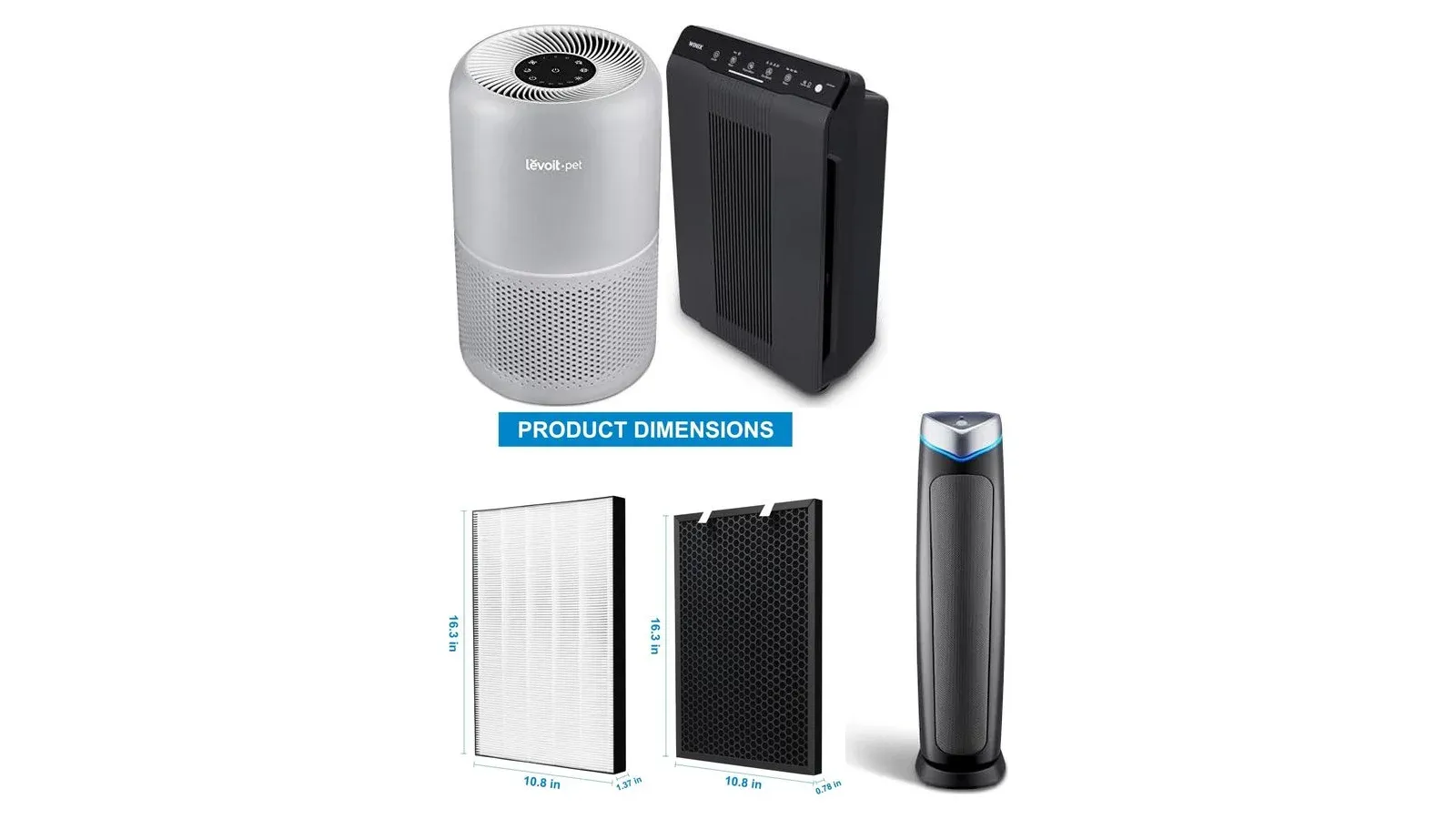
Quick Verdict
| Award | Product | Why it wins |
|---|---|---|
| Best Overall | Levoit Core P350 | Pet-specific filter stack with strong value |
| Best for Large Rooms | Winix 5500-2 | High CADR plus PlasmaWave for open layouts |
| Best Design | Bissell air220 | Furniture-friendly look for visible living rooms |
| Best Budget | GermGuardian AC5250PT | Pet Pure layer at an accessible price |
| Best Premium | RabbitAir MinusA2 | Customizable filters and wall-mount option |
Product Recommendations
Levoit Core P350 — Best Overall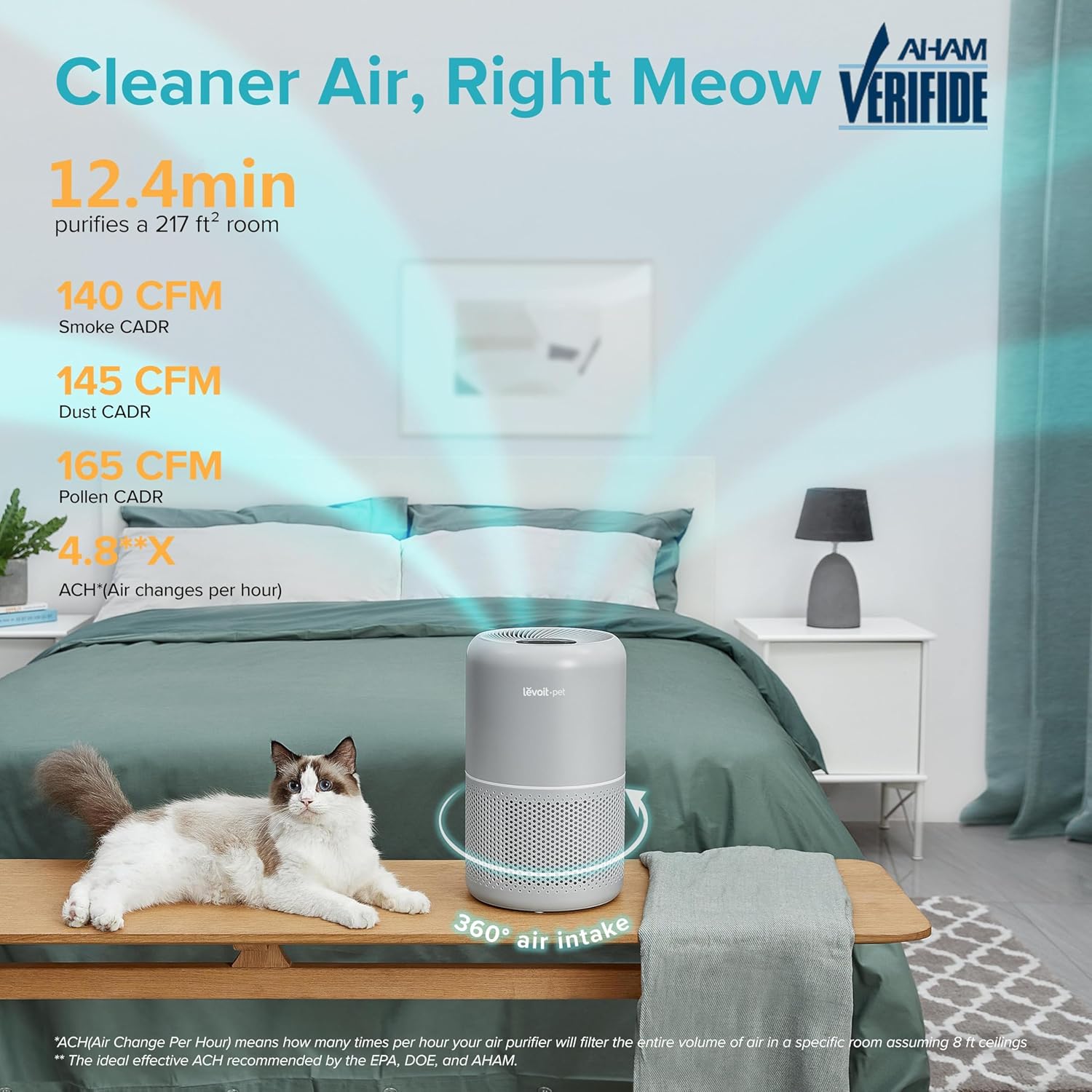
- Pet Pure filter targets hair, dander, and common pet odors
- Quiet sleep mode for bedroom placement
- Strong value vs premium brands at similar CADR
- Replacement filters add ongoing cost—budget quarterly swaps
- Not ideal for very large open-plan lofts alone
Winix 5500-2 — Best for Large Rooms
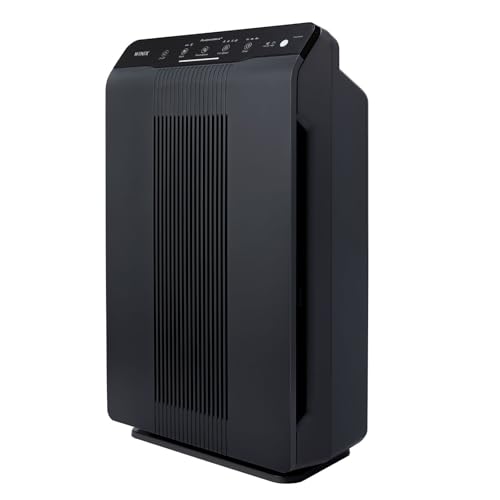
- High CADR handles bigger footprints with multiple pets
- Washable pre-filter catches visible hair before HEPA clogging
- PlasmaWave option addresses odors without heavy fragrance
- Bulkier footprint—not subtle in small studios
- PlasmaWave is polarizing; some owners prefer HEPA-only models
Bissell air220 — Best Design

- Furniture-inspired silhouette blends with decor-forward rooms
- HEPA filtration with activated carbon for pet odor layers
- Front-facing controls easy to reach beside sofas
- Premium styling price for moderate room coverage
- Filter replacements can cost more than budget tower units
GermGuardian AC5250PT — Best Budget
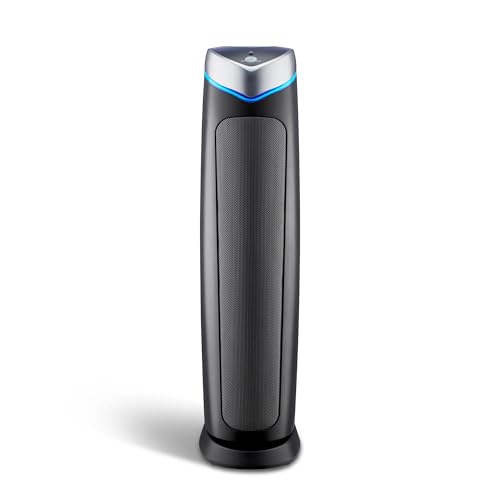
- Pet Pure HEPA variant targets dander at accessible pricing
- UV-C section optional—some owners disable and rely on HEPA only
- Tall tower fits tight corners beside litter zones
- Louder on high fan than premium competitors
- Plastic aesthetic reads utilitarian in visible rooms
RabbitAir MinusA2 — Best Premium
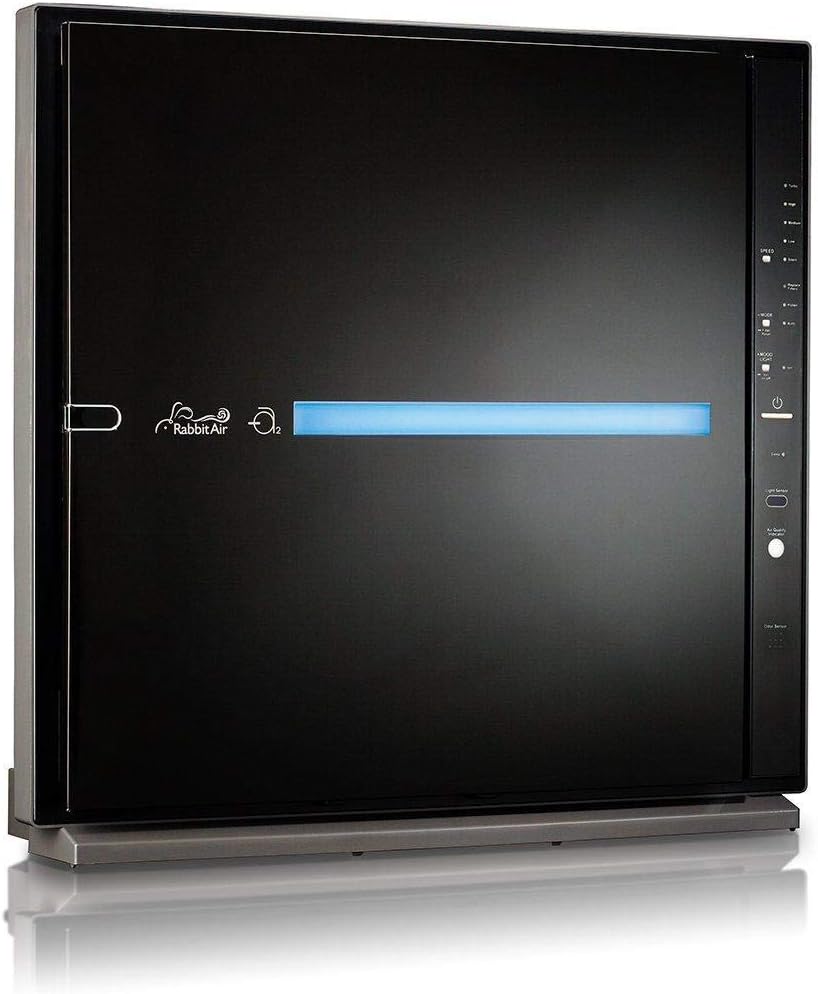
- Custom filter packs include Pet Allergy and Odor options
- Wall-mount frees floor space in small apartments
- Long-life filters reduce year-one replacement frequency
- Highest upfront cost in this list
- Overkill for a single small bedroom with one low-shed pet
Comparison Table
| Levoit P350 | Winix 5500-2 | Bissell air220 | GermGuardian AC5250PT | RabbitAir MinusA2 | |
|---|---|---|---|---|---|
| Room size | Medium | Large | Medium | Small–medium | Medium (flexible) |
| Pet focus | Pet Pure filter | Pre-filter + odor | Carbon + HEPA | Pet Pure HEPA | Custom pet pack |
| Noise (sleep) | Quiet | Moderate | Moderate | Louder on high | Quiet |
| Best for | Balanced value | Open plans | Visible rooms | Budget test | Allergy premium |
| Typical price | $150–$200 | $150–$200 | $200–$250 | $100–$140 | $500–$600 |
| Editor's pick | ✅ Overall | ✅ Large rooms | ✅ Design | ✅ Budget | ✅ Premium |

How We Evaluated
Byline: HomeGlean Editorial Team · Pet-friendly home & indoor airHomeGlean uses AI-assisted research to analyze public product information, CADR specs, filter costs, and owner-review patterns. Every article is reviewed by a human editor before publication. We do not conduct hands-on product testing unless explicitly stated.
For this guide we:
- Required true HEPA or equivalent filtration—not ionizer-only gadgets.
- Weighted pet-specific pre-filters, odor layers, and hair-loading comments from repeat buyers.
- Matched units to real room sizes common in apartments, not whole-house claims.
- Price-checked listings on June 1, 2026; prices may change.
See also our general allergy purifier roundup: Best Air Purifiers for Allergies in 2026.

How to Choose
- Clean surfaces first
- HEPA handles airborne load; vacuum upholstery and wash pet bedding weekly. Pair with tools from our pet hair remover guide.
- Size to the room you occupy
- Place the purifier where you sleep or sit longest—not a hallway with the door closed.
- Budget filter replacements
- Cheaper hardware with expensive filters can cost more by year two than a mid-tier Levoit or Winix.
- Run it continuously on auto
- Intermittent use resets particle load; auto mode balances noise and air changes per hour.

Common Mistakes
- Purifier behind the litter box — intake pulls odor toward the sofa; place units between litter and living zones.
- HEPA without regular pre-filter cleaning — pet hair clogs grills in weeks, not months.
- One unit for open-plan + bedroom — CADR dilutes across walls; prioritize where dander sleeps.
When to Skip
If shedding is the main issue, hair removers and washable rugs may outperform air hardware alone.
What You'll Walk Away With
- Open-plan CADR thinking—not bedroom-sized units in the living room
- Intake placement relative to litter and sofa zones
- Filter maintenance habits when pre-filters clog in weeks
FAQ
Will an air purifier remove pet hair on the floor?
No. Purifiers capture airborne hair and dander. You still need vacuuming and grooming. Pre-filters catch larger floating hair before it clogs the HEPA layer.
Where should I put a purifier in a pet home?
Bedroom if allergies disrupt sleep; living room if that's where pets lounge all day. Keep intake paths clear— not tucked behind a sofa or litter box enclosure.
How often should I change pet purifier filters?
Follow manufacturer intervals—often 6–8 months for HEPA, sooner during heavy shed seasons or with multiple pets. Wash pre-filters monthly if the model allows.
Are ionizers enough for pet dander?
Ionizers alone are not a substitute for HEPA. Choose a true HEPA unit; treat ionization or PlasmaWave as a secondary odor tool if you tolerate it.
Do I need a separate purifier for litter box odor?
Source control beats filtration—scoop daily and ventilate. A nearby HEPA+carbon unit helps, but do not enclose the purifier with the litter box blocking airflow.
Related Reading
- Best Air Purifiers for Allergies in 2026
- Best Pet Hair Removers for Furniture and Floors in 2026
- How to Reduce Dust in Your Bedroom: A Complete Guide
- Best Pet-Friendly Sofas for Cat Owners in 2026
- Best Vacuum Cleaners with HEPA Filters for Allergies
- Pet-Safe Indoor Plants: What to Buy and Where to Mount Them
AI + Editor Transparency
We used AI tools to draft sections of this article and generate concept visuals where noted. Human editors verified CADR claims, filter types, pricing, and internal links before publication. Recommendations reflect our editorial judgment, not manufacturer input.
For EU readers: This content was created with assistance from artificial intelligence and reviewed by human editors before publication.Affiliate Disclosure
HomeGlean is reader-supported. When you buy through links on our site, we may earn an affiliate commission at no extra cost to you. Learn more about how we test and recommend products.
Last updated: June 1, 2026 · Prices and availability may change.