
Pain Point Bridge
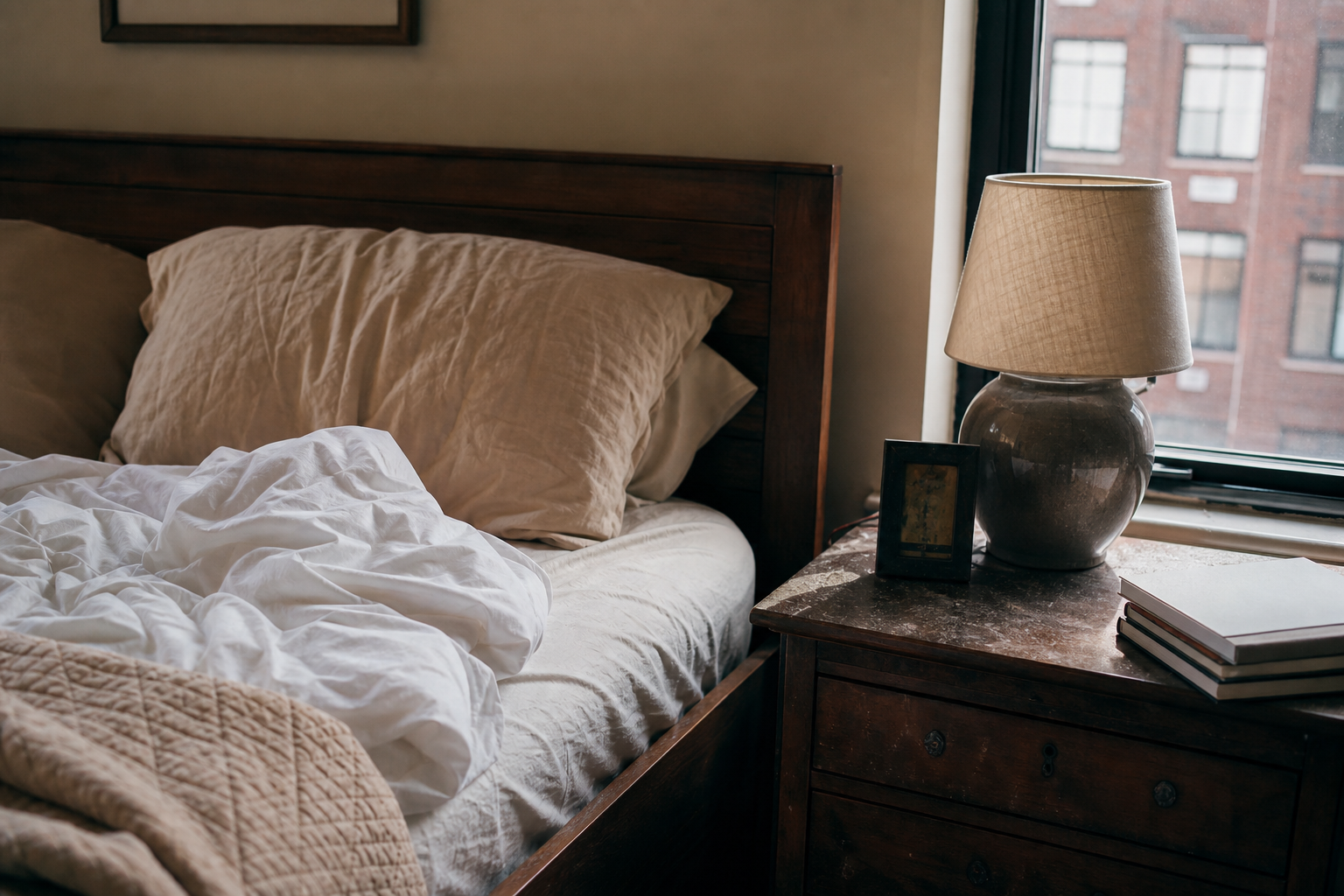
Bedrooms look clean because we mostly sleep there, not live there. But eight hours in one room means you breathe whatever settles on pillows, mattress seams, and carpet fibers. Dust mites feed on skin flakes in bedding; every time you turn over, fine particles lift into the air you inhale.
The fix is not one product—it is a sequence: block sources, capture what remains, then maintain with the right tools.
Who This Is For
- Morning congestion that returns within days of cleaning
- Pet-in-bed homes where fur and dander reset the clock every night
- Anyone who bought a purifier first but skipped mattress encasements
Quick Answer
Start with your sleep surface. Zippered mattress and pillow encasements block dust mites from colonizing where you breathe all night. Wash sheets weekly in hot water (130°F / 54°C if fabric allows). Then address floors and air: HEPA vacuum carpets and rugs twice weekly; run a correctly sized air purifier overnight if congestion persists after two weeks of bedding changes.Why Bedroom Dust Builds Up
Dust is mostly skin flakes, textile fibers, outdoor pollen tracked indoors, and mite waste—not just "dirt." Bedrooms concentrate it because:
- Bedding is a reservoir. Unprotected mattresses and pillows hold years of accumulated allergens.
- Soft surfaces trap particles. Carpet, upholstered headboards, and heavy drapes release dust when disturbed.
- HVAC and open windows pull outdoor particulates into the room you keep closed at night.
- Low disturbance means dust settles on nightstands and baseboards instead of getting walked through.
What to Try First (Free & Low-Cost)
Strip and simplify soft surfaces
Remove decorative pillows you do not sleep on. Swap heavy drapes for washable curtains or blinds you can wipe. If carpet is optional, a large washable rug over hard flooring is easier to clean than wall-to-wall pile.
Expected results: Noticeable reduction in visible dust on hard surfaces within 3–5 days.Change the laundry routine
Wash sheets and pillowcases weekly. Use the hottest water the fabric tag allows. Dry completely—damp bedding grows mold and holds mites.
Expected results: Many allergy sufferers report improvement within 1–2 weeks.Dust with damp cloths, top to bottom
Dry dusting spreads particles. Use a slightly damp microfiber cloth on shelves, baseboards, and fan blades before vacuuming.
Expected results: Immediate; repeat weekly.
When to Buy Something
Consider purchasing if congestion, itching, or morning sneezing continues after three weeks of encasement-level bedding hygiene and weekly damp-dusting—and your bedroom has carpet, pets, or an old unprotected mattress. When NOT to buy: If you have not washed bedding hot weekly or removed obvious dust traps (fabric headboard, floor-level clutter). A purifier or expensive vacuum will not fix a mattress that is already mite-heavy without an encasement.
Recommended Products
AllerEase Allergy Protection Mattress Protector — Block the mattress reservoir

- Machine washable; barrier fabric rated for allergen blocking
- Fits standard depth mattresses; easier than replacing an old mattress
- Crinkling noise on some budget models—look for breathable cotton-top versions
- Must stay zipped 100% of the time to work
SureGuard Zippered Pillow Protector — Seal pillows completely
Pros- Bedbug- and dust-mite-rated barrier at low cost per pillow
- Pairs with encasement strategy—pillows are often overlooked
- Adds slight bulk under pillowcases
- Zipper quality varies—inspect after first wash
Shark Navigator Lift-Away (HEPA) — Capture carpet dust without exhaust blowback

- Sealed HEPA system traps fine particles instead of exhausting them
- Lift-away canister reaches under beds and furniture
- Strong value for corded whole-home vacuuming
- Corded—not ideal for quick daily touch-ups
- Heavier than stick vacuums for stairs
Dyson V8 Cordless — Quick bedroom passes between deep cleans
Pros- Grab-and-go for under-bed and baseboard dust before sleep
- HEPA filtration on exhaust; converts for mattress and upholstery
- Smaller bin—empty often in dusty rooms
- Battery runtime limited on max power
LEVOIT Classic 300S Humidifier — Balance dry winter air (optional)
Dry air keeps particles airborne longer. In heated winter bedrooms, maintaining 40–50% relative humidity can reduce static cling and irritated airways—but too much humidity grows dust mites. Use a hygrometer and clean the tank weekly.
Pros- Warm and cool mist options; app scheduling
- Top-fill design simplifies cleaning
- Requires disciplined cleaning to avoid mold in the tank
- Not a substitute for encasements or vacuuming
Levoit Core 400S — Overnight particle reduction
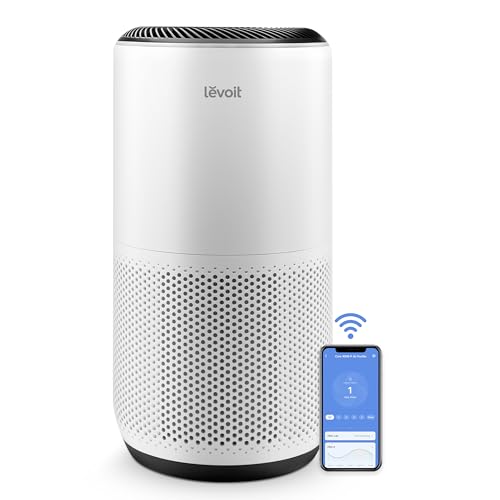
- True HEPA; quiet sleep mode
- Sized for typical master bedrooms
- Filter replacements add ongoing cost
- Does not replace mattress encasements
Step-by-Step Bedroom Dust Protocol
| Step | Action | How often |
|---|---|---|
| 1 | Install mattress + pillow encasements | Once, then wash encasements quarterly |
| 2 | Wash sheets hot; simplify textiles | Weekly |
| 3 | Damp-dust surfaces top to bottom | Weekly |
| 4 | HEPA vacuum carpet, rugs, upholstery | 2× weekly |
| 5 | Run air purifier on sleep mode | Nightly (if purchased) |
| 6 | Check humidity; stay 40–50% | Seasonally |
Common Mistakes
- Dry dusting before vacuuming — Wipes launch particles back into air. Always damp-wipe or vacuum first.
- Skipping pillow encasements — Mattress-only protection leaves a major mite zone open.
- Non-HEPA vacuum exhaust — Standard vacuums can blow fine dust out the back.
- Over-humidifying — Above 50% humidity helps mites; monitor with a hygrometer.
How We Evaluated
- Matched each recommendation to scenario fit (room size, renter constraints, pet/kid realities)—not spec-sheet winners alone.
- Cross-checked public retailer listings and owner-review themes for recurring complaints (noise, odor, assembly, wash durability).
- Price-checked U.S. listings at time of update; we do not guarantee lowest available price.
- Human editors reviewed AI-assisted drafts; we did not conduct hands-on lab testing unless explicitly stated in the article.
What You'll Walk Away With
- A weekly rhythm (bedding, seams, intake filters) that beats one marathon clean
- The order of operations: encase → vacuum seams → filter air
- When pet hair tools belong in the loop before new hardware
FAQ
How often should I wash bedding to reduce dust mites?
Weekly is the standard recommendation for sheets and pillowcases in hot water when fabric allows. Encasements themselves need washing every 2–3 months—or sooner if spills occur.
Are air purifiers enough without encasements?
No. Purifiers capture airborne particles; encasements stop the largest reservoir—your mattress and pillows—from replenishing the air. Use both if symptoms persist after source control.
Should I remove carpet from the bedroom?
Hard flooring plus washable rugs is easier to keep dust-free, but it is not always practical for renters. HEPA vacuuming twice weekly and encasements often suffice without renovation.
Why is my bedroom dustier than the rest of the apartment?
More textile surface area (bedding, drapes, carpet), less foot traffic that would otherwise stir and filter air, and HVAC vents that may dump particulates near the bed.
Do plants increase bedroom dust?
Soil and decaying leaves can add organic debris. If you keep plants in the bedroom, wipe leaves and avoid overwatering that grows mold on soil surfaces.
When should I see a doctor about dust allergies?
If symptoms include wheezing, chronic sinus infections, or sleep disruption despite environmental changes, consult an allergist. This guide is informational, not medical advice.
Related Reading
- Best Air Purifiers for Allergies in 2026
- How to Choose an Air Purifier for Your Room Size
- Best Vacuum Cleaners with HEPA Filters for Allergies
- Air Purifier vs Dehumidifier: Which Do You Actually Need?
- Best Air Purifiers for Pet Hair and Dander in Open-Plan Homes
AI + Editor Transparency
We used AI tools to draft sections of this article and generate concept visuals where noted. Human editors verified dust-mite guidance against EPA and allergy-foundation references, product fit, pricing, and internal links before publication.
For EU readers: This content was created with assistance from artificial intelligence and reviewed by human editors before publication.Affiliate Disclosure
HomeGlean is reader-supported. When you buy through links on our site, we may earn an affiliate commission at no extra cost to you. Learn more about how we test and recommend products.
Last updated: June 1, 2026 · Prices and availability may change.