
A north-facing window and a travel schedule have killed more houseplants than any lack of green thumb. If your apartment gets soft, indirect light—or only a few hours of brightness near the glass—you do not need a sunroom to keep plants alive. We compared four widely sold starter plants that tolerate real low-light conditions, irregular watering, and typical renter layouts.
Dek: Forgiving species for north windows and inconsistent watering—without a greenhouse setup.Pain Point Bridge
Beginner plant advice often assumes south-facing windows and weekly watering rituals. In a studio or one-bedroom, light falls off quickly even a few feet from the glass, and weekend trips mean soil stays wet—or bone dry—for days at a time.
The plants below survive those constraints because they store water, tolerate shade, or tell you clearly when they need a drink. We prioritized species you can buy pre-potted from major retailers, not rare nursery orders that arrive stressed in a box.
Who This Is For
- North-window apartments without a plant corner identity crisis
- Travel schedules that kill more plants than neglect
- Beginners who want forgiving species before subscriptions or terrariums
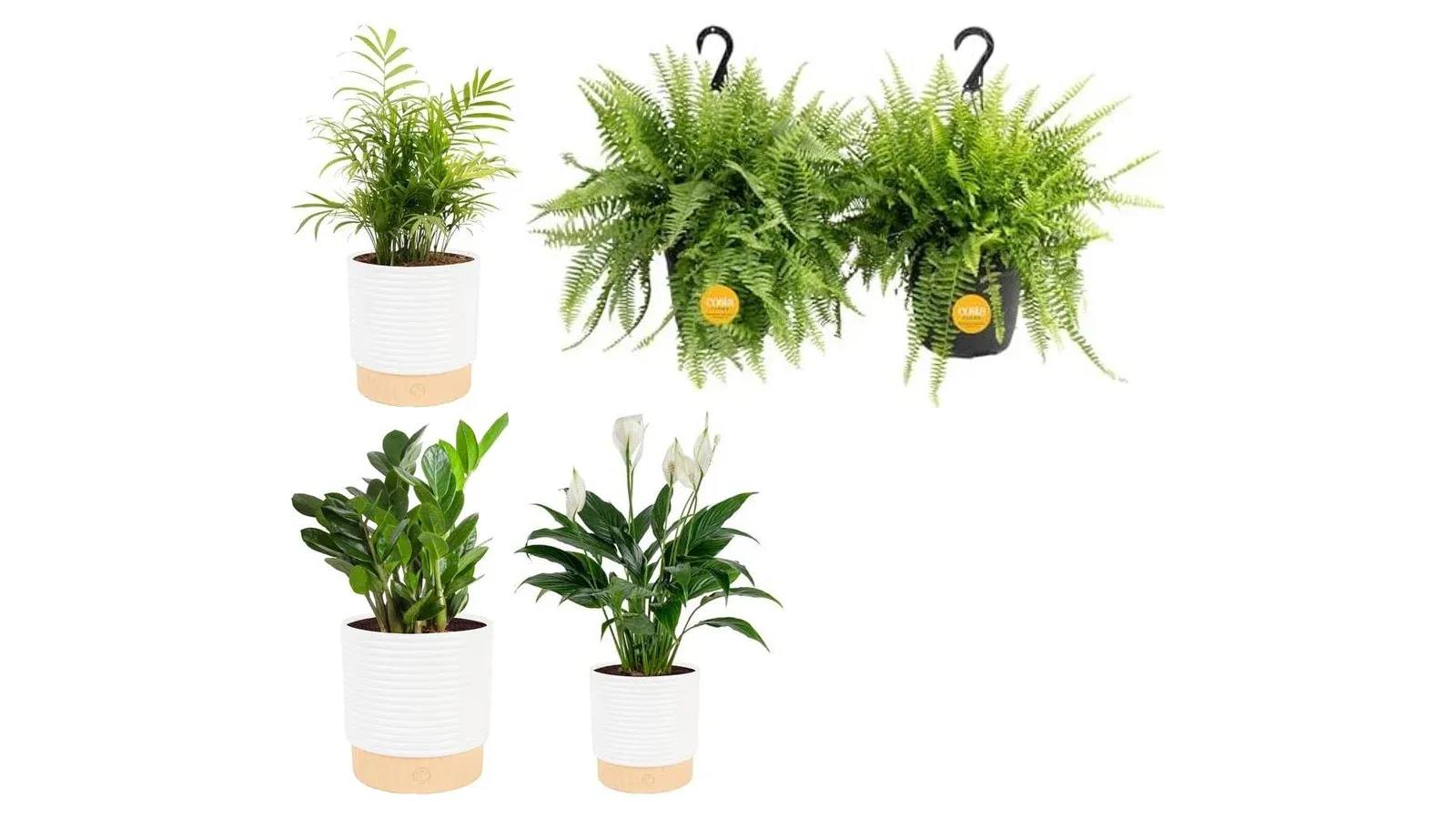
Quick Verdict
| Award | Product | Why it wins |
|---|---|---|
| Best Overall | Costa Farms Snake Plant | Tolerates deep shade and weeks between waterings |
| Best Budget | Costa Farms Pothos | Fast growth and visible payoff under $15 |
| Best for Small Spaces | Costa Farms ZZ Plant | Upright, glossy, fits tight corners |
| Best for Feedback | Costa Farms Peace Lily | Droops when thirsty—hard to underwater by accident |
Product Recommendations
Costa Farms Snake Plant — Best Overall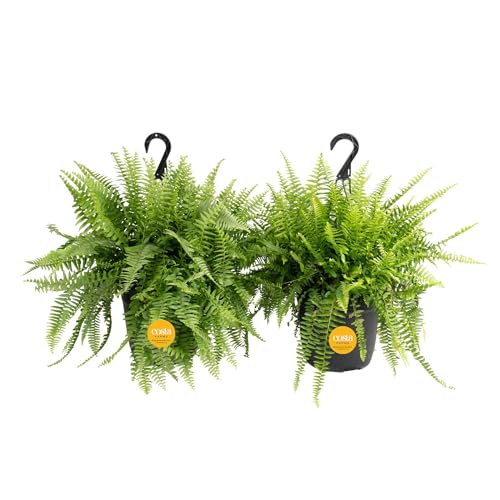
- Thrives in low to moderate indirect light; tolerates fluorescent office light
- Stores water in leaves—water every 2–3 weeks in winter, longer in shade
- Vertical shape uses floor space efficiently in studios
- Slow growth; won't trail or fill a shelf quickly
- Toxic to dogs and cats if chewed—elevate or skip in chew-prone homes
Compare prices
| Retailer | Typical price |
|---|---|
| Amazon (Costa Farms) | $10–$25 |
| Home Depot / Lowe's | Similar live-goods pricing, varies by store |
Costa Farms Pothos — Best Budget Fit Score: 91/100 — Strong match for shelves and beginners who want quick visual payoff. Pros
- Trails within weeks under moderate indirect light
- Forgiving of missed waterings; bounces back from slight wilt
- Widely available under $15 in 4–6 in nursery pots
- Toxic to cats and dogs—keep elevated or in hanging planters
- Gets leggy in very deep shade; benefits from a brighter shelf or grow light
Costa Farms ZZ Plant — Best for Small Spaces
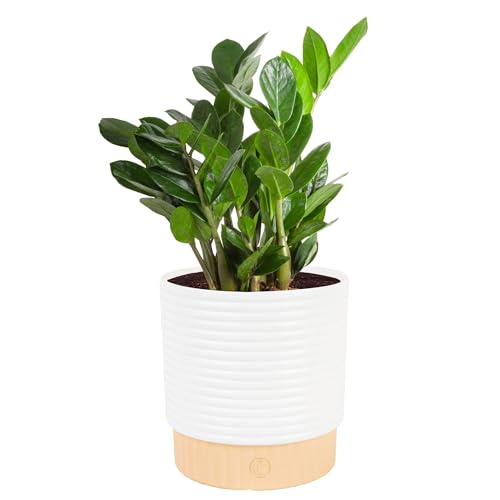
- Tolerates low light and drought better than most tropicals
- Glossy leaves look intentional—not "sad office plant"
- Slow, upright growth suits narrow tables and floor corners
- All parts toxic if ingested—secure placement in pet homes
- Overwatering causes root rot; let soil dry between drinks
Costa Farms Peace Lily — Best for Feedback
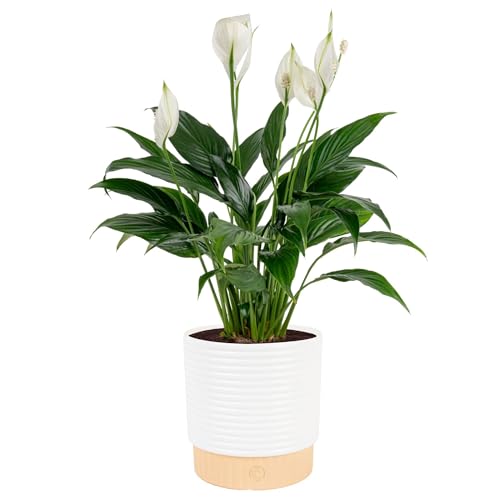
- Leaves droop dramatically when dry—clear signal to water
- Blooms in moderate indirect light with consistent care
- Soft texture suits bedrooms and baths with humidity
- Toxic to cats and dogs
- Needs more frequent water than snake plant or ZZ—roughly weekly in warm rooms
Comparison Table
| Snake Plant | Pothos | ZZ Plant | Peace Lily | |
|---|---|---|---|---|
| Light need | Low–moderate | Moderate | Low | Moderate |
| Water interval | 2–3+ weeks | 7–10 days | 2–4 weeks | ~7 days |
| Growth speed | Slow | Fast | Slow | Moderate |
| Pet safe (ASPCA) | No | No | No | No |
| Best for | Travelers | Shelves / hangers | Tight corners | Visual water cues |
| Typical price | $10–$25 | $8–$15 | $15–$30 | $15–$25 |
| Editor's pick | ✅ Overall | ✅ Budget | ✅ Small spaces | — |

How We Evaluated
Byline: HomeGlean Editorial Team · Plants & apartment livingHomeGlean uses AI-assisted research to analyze public product information, care guides, and owner-review patterns. Every article is reviewed by a human editor before publication. We do not conduct hands-on product testing unless explicitly stated.
For this guide we:
- Short-listed species commonly recommended for low light by university extension guides and ASPCA plant lists.
- Matched each to real apartment constraints: north windows, travel gaps, and pet toxicity.
- Verified live availability and typical Amazon pricing for Costa Farms nursery stock.
- Price-checked listings on June 1, 2026; prices may change.
Some brands provide samples; when that occurs we disclose it and recommendations stay independent.

How to Choose
- Read your window first
- North or shaded east → snake plant or ZZ.
- Bright east or filtered south → pothos or peace lily.
- Match watering habits
- If you forget for weeks → snake plant or ZZ.
- If you like a weekly routine → peace lily or pothos.
- Check pets before placement
- None of these four are pet-safe if chewed. See our Pet-Safe vs Toxic Plants guide or choose elevated/hanging placement.
- Start with one pot
- Master one watering rhythm before filling a shelf. Drainage holes and a saucer beat decorative cache pots without holes.

Common Mistakes
- Buying “low light” plants for zero light — hallways without windows still fail.
- Overwatering because soil looks dry on top — finger-test an inch down.
- Ignoring pet toxicity — “beginner” does not mean safe; check pet-safe guide.
When to Skip New Plants
Fix drainage and light first with self-watering planters. Dim apartments should budget grow lights before a fourth pothos.
What You'll Walk Away With
- Forgiving species for north windows and inconsistent watering
- Finger-test watering—not surface-dry guesses
- Pet-toxicity redirect to visual guide
FAQ
What counts as "low light" indoors?
Low light usually means a spot more than a few feet from a window, or a north-facing window with no direct sunbeams. If you can read a book without turning on a lamp at midday, most tropicals will struggle—but snake plants and ZZ plants often still grow slowly.
Are these plants safe for cats and dogs?
No. Snake plant, pothos, ZZ plant, and peace lily appear on ASPCA toxic-plant lists. Keep them on high shelves, use hanging planters, or choose pet-safe species from our pet-safe plant roundup.
Should I repot right after delivery?
Wait 2–4 weeks. Nursery pots are fine short-term. Repot only if roots circle the pot or water runs straight through. Use a pot with drainage holes one size up—about 1–2 in (2.5–5 cm) wider.
Do I need fertilizer as a beginner?
Not immediately. Most nursery soil includes slow nutrients for the first months. If growth stalls in spring, use a half-strength houseplant fertilizer monthly during active growth—not in winter.
Why are my leaves turning yellow?
Usually overwatering, especially in low light where soil dries slowly. Check drainage, let the top inch (2.5 cm) dry before watering again, and remove the pot from any standing water in the saucer.
Related Reading
- Best Grow Lights for Indoor Plants in Dark Apartments
- Best Self-Watering Planters for Busy People
- Best Non-Toxic Indoor Plants Safe for Cats and Dogs
- How to Use Biophilic Design in Your Home on a Budget
AI + Editor Transparency
We used AI tools to draft sections of this article and generate concept visuals where noted. Human editors verified plant care facts, ASPCA toxicity references, pricing, and internal links before publication. Recommendations reflect our editorial judgment, not manufacturer input.
For EU readers: This content was created with assistance from artificial intelligence and reviewed by human editors before publication.Affiliate Disclosure
HomeGlean is reader-supported. When you buy through links on our site, we may earn an affiliate commission at no extra cost to you. Learn more about how we test and recommend products.
Last updated: June 1, 2026 · Prices and availability may change.