
Quick Answer
Use one low-sided box per kitten plus a spare, placed in quiet zones away from food and loud appliances. After meals and naps, gently set the kitten in the box. Praise calm digging—never punish accidents. Scoop twice daily and full-change weekly. Most kittens click within days when the box is easier than the rug.Pain Point Bridge
Kittens are portable chaos: wrong box location, wrong litter depth, or a hood they fear—and suddenly your rug becomes the backup plan. Litter training fails less from "stubborn cats" than from box setup humans would not tolerate either.
Whether you are in a studio or a shared apartment, this walkthrough covers box type, placement, cleanup rhythm, and when to call the vet—not just "put them in the box and hope."
Who This Is For
- New kitten households in studios or shared apartments
- Box setup troubleshooters—hood, depth, litter type—not “stubborn cat” blame
- Multi-cat prep before backup surfaces become rugs
Key Criteria
Box accessibility
Kittens need low entry height and nearby access—not a basement laundry trek.
Substrate preference
Unscented clumping litter mimics sand; abrupt texture changes cause boycotts.
Cleanliness signal
Dirty boxes push kittens to soft alternatives like bath mats and closets.
Stress and health
Sudden accidents after training success may mean UTI or anxiety—not "bad behavior."

Step-by-Step Framework
- Choose two quiet zones — Bathroom corner or laundry nook; avoid kitchen and bedroom if possible. Success check: Kitten reaches a box within 10 seconds from main play area.
- Set up low-sided boxes — One box per kitten, plus one extra (two kittens → three boxes). Success check: Kitten enters without climbing high walls.
- Introduce after meals and naps — Carry or guide kitten to box; let them sniff and dig. Success check: First buried waste within 48 hours of arrival.
- Scoop twice daily, full change weekly — Remove clumps morning and evening; wash box with mild soap monthly. Success check: No ammonia smell at human nose height.
- Contain tracking at the exit — Mat outside box catches granules before they hit hallway. Success check: Litter spread stays within 2 ft (0.6 m) of box.

What to Try First (Free)
Free fix: Box placement and count
- Temporarily remove rugs near the box—soft textiles compete with litter.
- Block under-bed and closet access if kitten hides to eliminate there.
- Keep food and water in a separate room or at least 6 ft (1.8 m) from litter.
Free fix: Timing and calm redirects
- After each meal, place kitten in box and wait 30 seconds without staring.
- If you catch an accident mid-squat, gently lift to box—do not scold.
- Blot accidents with enzyme cleaner (vinegar-water works short term) to remove scent cues.
Free fix: Litter consistency
- Start with the litter the breeder, shelter, or foster used—switch slowly if needed.
- Avoid heavy perfume litters; kittens reject strong scent.
- Fill to 2–3 in (5–7.5 cm) depth for digging satisfaction.
Common Mistakes
- One box for two kittens in a studio — Competition and dirty corners cause floor accidents.
- Covered box too early — Traps odor; kittens fear dark enclosed spaces at first.
- Box beside washing machine — Noise mid-cycle scares kittens off the zone permanently.
- Punishment after the fact — Kittens do not connect yelling to past elimination; stress worsens hiding.

When to Add Gear
Buy when:- Free setup works but litter tracks through the whole apartment—add a mat and scoop station.
- You need a hidden box in a studio where open pans clash with living space.
- Foster or shelter kitten rejects texture—try Dr. Elsey's clumping as a widely accepted clumping baseline.
- Accidents are new after weeks of success—see a vet before buying a second fancy box.
- Kitten has not tried a basic open pan on the floor—automation and covers come later.

Recommended Products
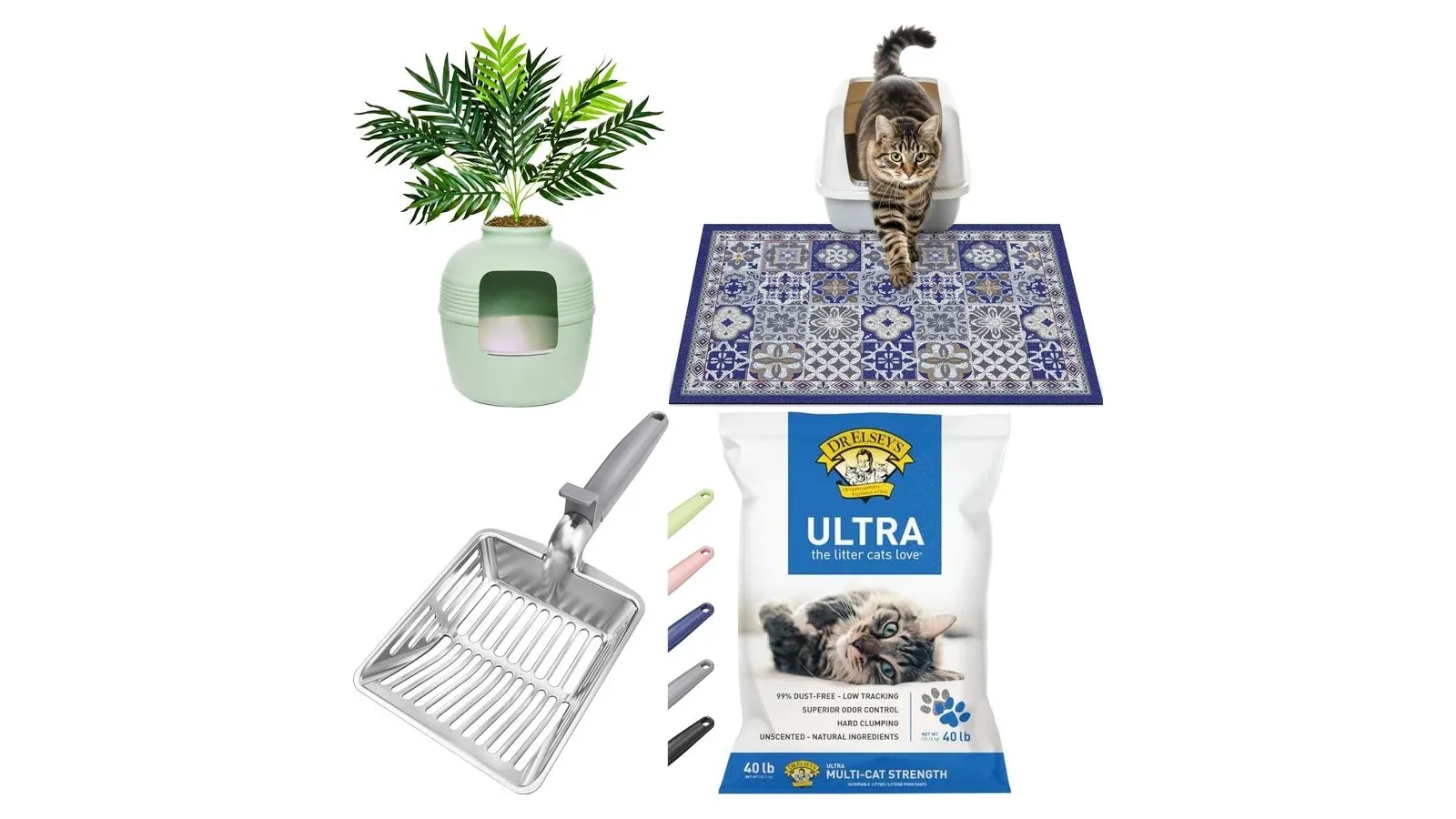
Good Pet Stuff Hidden Litter Box Planter

- Reduces open-litter sightline in combined living/sleep spaces
- Ventilation cutouts when assembled per instructions
- Larger footprint than bare pan—measure corner first
- Not a substitute for daily scooping; odor traps if neglected
Hedgeink Cat Litter Mat Why it helps: Catches granules on paws before they reach hallway and washable rugs. Pros
- Honeycomb layer holds litter for pour-back into box
- Soft on kitten paws vs harsh bristle mats
- Shake out daily or litter builds at edges
- Width must exceed box opening for effective capture
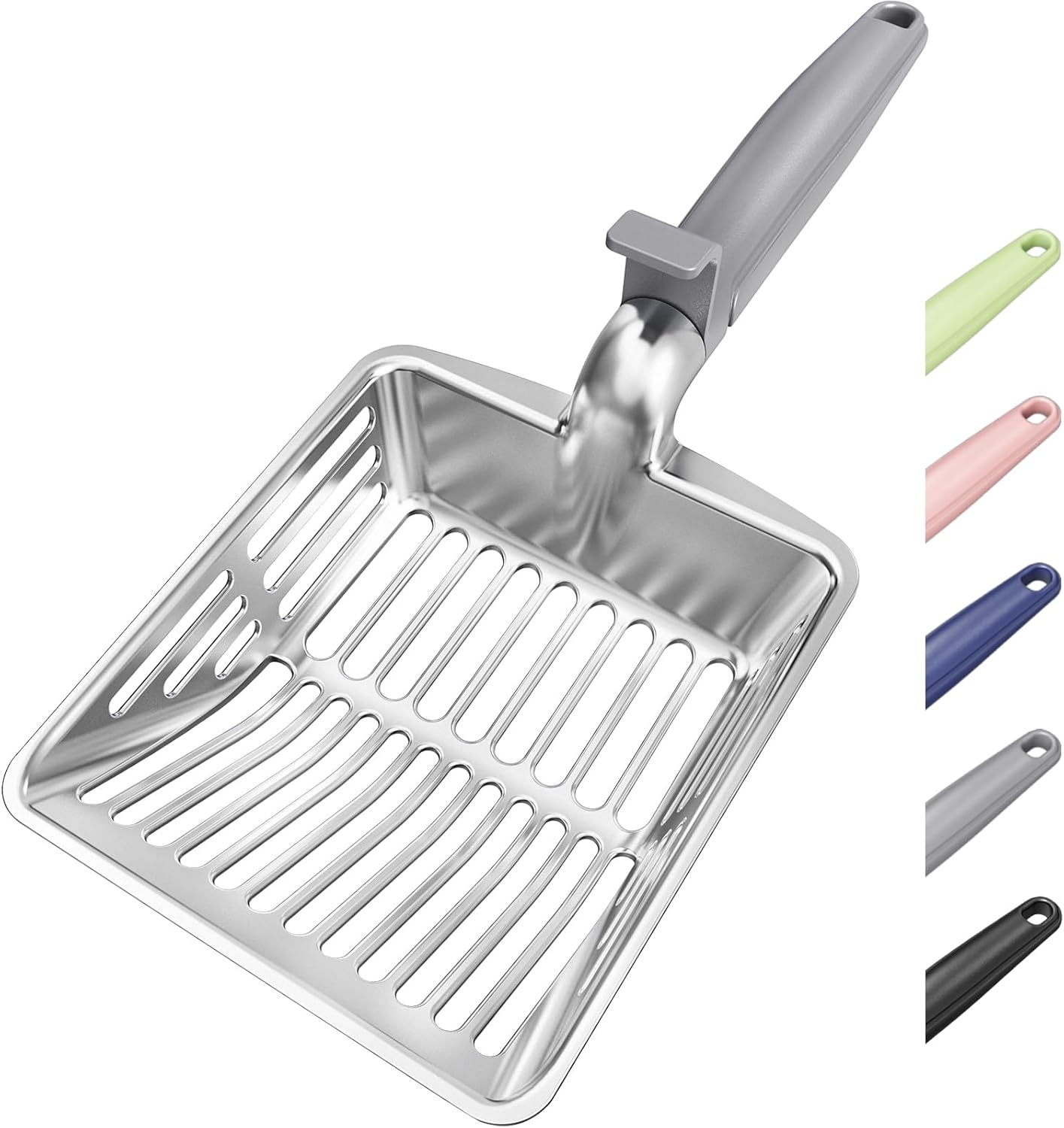
KooMooM Metal Cat Litter Scoop Why it helps: Sturdy slots make twice-daily scooping fast—the habit that keeps kittens using the box. Pros
- Metal resists odor retention vs thin plastic scoops
- Long handle reduces spill on apartment floors
- Metal can clink loudly—store on hook, not inside box
Dr. Elsey's Premium Clumping Cat Litter
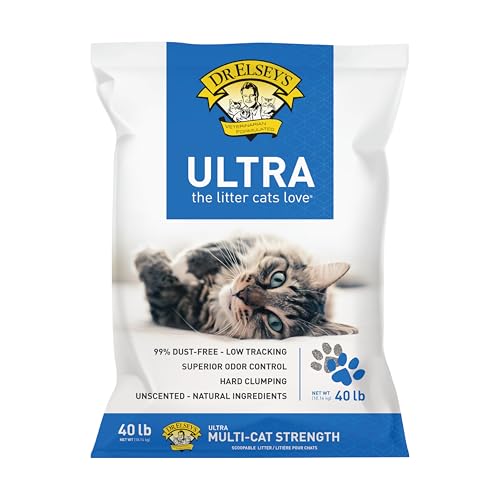
- Unscented formula suits sensitive kitten noses
- Widely accepted texture when foster litter brand is unknown
- Dust during pour—add litter slowly in ventilated space
- Heavier bag to carry upstairs in walk-ups
How We Evaluated
- Matched each recommendation to scenario fit (room size, renter constraints, pet/kid realities)—not spec-sheet winners alone.
- Cross-checked public retailer listings and owner-review themes for recurring complaints (noise, odor, assembly, wash durability).
- Price-checked U.S. listings at time of update; we do not guarantee lowest available price.
- Human editors reviewed AI-assisted drafts; we did not conduct hands-on lab testing unless explicitly stated in the article.
What You'll Walk Away With
- Box type, depth, and location checklist—not punishment tactics
- Cleanup rhythm that prevents rug backup plans
- Vet-call thresholds when accidents persist
FAQ
How long does litter training take?
Many kittens use a box within 24–72 hours when placement and litter match prior home. Regression after moves is normal—reset with extra boxes and calm redirects.
Should I use clumping litter for kittens?
Many owners use clumping litter successfully; avoid ingestion during play. Consult your vet for kittens under 8 weeks or with health concerns.
My kitten eats litter—is that OK?
Occasional tasting happens; persistent eating needs a vet check. Use shallow fill and distraction with toys after box visits.
When is an accident a medical issue?
Straining, blood, crying in the box, or sudden accidents after stable training warrant veterinary care—not more punishment or scented sprays.
Where should the box go in a studio?
Farthest practical corner from food, with a mat and optional hidden planter style box. See also our cat fountain guide to separate water from litter zones.
Related Reading
- Best Cat Water Fountains to Keep Your Cat Hydrated
- How to Stop Your Cat from Scratching Furniture
- Best Non-Toxic Indoor Plants Safe for Cats and Dogs
- Best Washable Rugs for Pet Owners in 2026
- Best Pet Hair Removal Tools (Furniture, Floors, Laundry)
- Best Vacuum Cleaners with HEPA Filters for Allergies
- Pet-Safe Indoor Plants: What to Buy and Where to Mount Them
AI + Editor Transparency
We used AI tools to draft sections of this article and generate concept visuals where noted. Human editors verified training guidance, product specs, pricing, and internal links before publication. Recommendations reflect our editorial judgment, not manufacturer input.
For EU readers: This content was created with assistance from artificial intelligence and reviewed by human editors before publication.Affiliate Disclosure
HomeGlean is reader-supported. When you buy through links on our site, we may earn an affiliate commission at no extra cost to you. Learn more about how we test and recommend products.
Last updated: June 1, 2026 · Prices and availability may change.