
Quick Answer
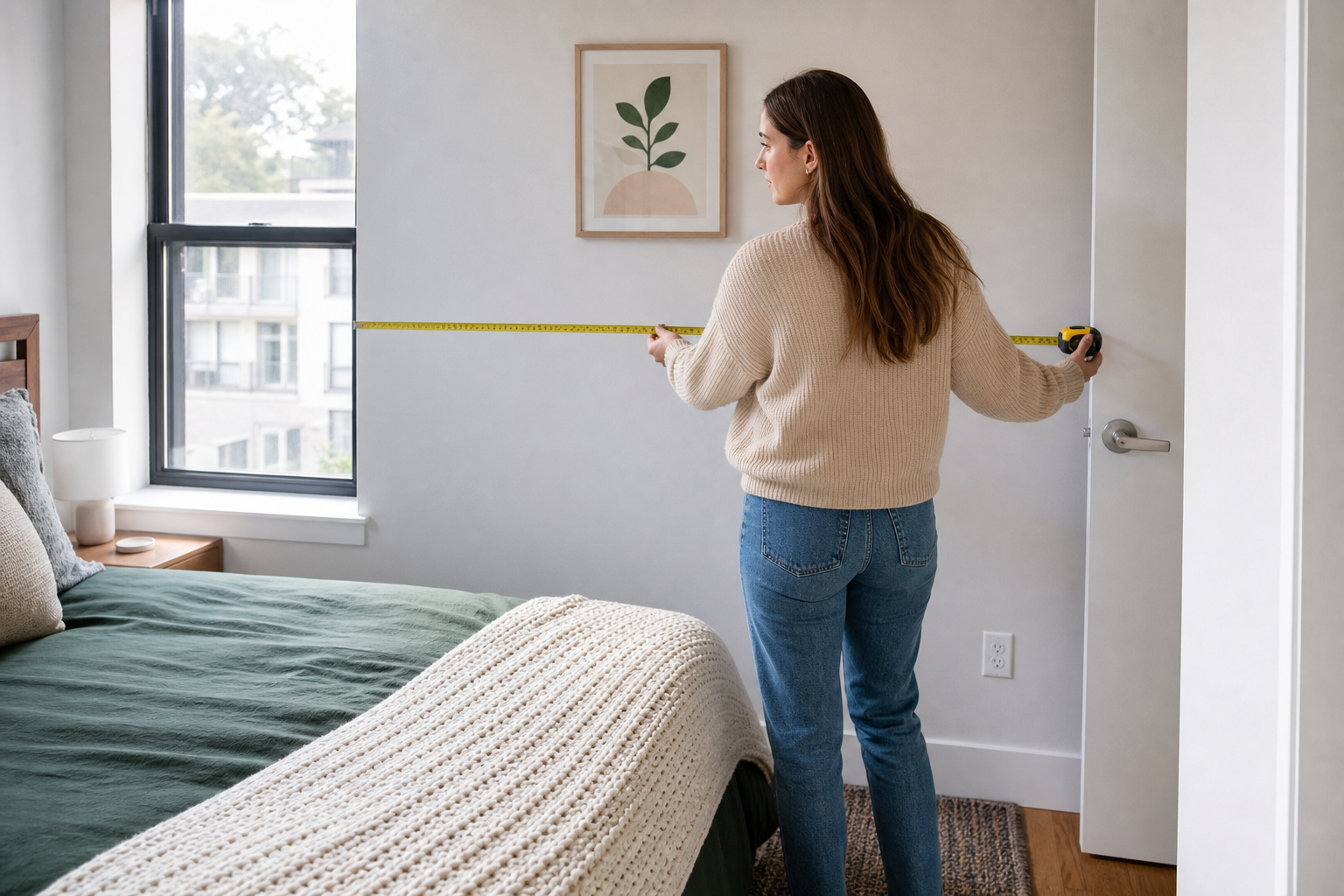
Measure room length × width for square footage, then choose a purifier whose CADR (Clean Air Delivery Rate) for smoke or dust is at least two-thirds of that number—or use the manufacturer's listed max room size as a sanity check. For a 300 sq ft bedroom, target roughly 200+ CADR. Place the unit with clear airflow on the floor, run it continuously on auto or medium, and replace HEPA filters on schedule—not when the room "smells fine."Pain Point Bridge
CADR numbers feel designed to confuse: smoke, pollen, dust ratings, "recommended room size" in marketing copy, and the temptation to buy the biggest tower on sale. Bedrooms under 300 sq ft rarely need living-room horsepower—you pay in noise and filter cost instead of faster relief.
This guide turns square footage and ceiling height into a simple sizing check so you stop guessing from the Amazon thumbnail.
Who This Is For
- CADR-confused buyers staring at smoke vs. pollen numbers
- Bedroom undersizers tempted by living-room towers on sale
- Open-door sleepers whose sq ft math needs a ceiling-height bump
Key Criteria
Room square footage (foundation)
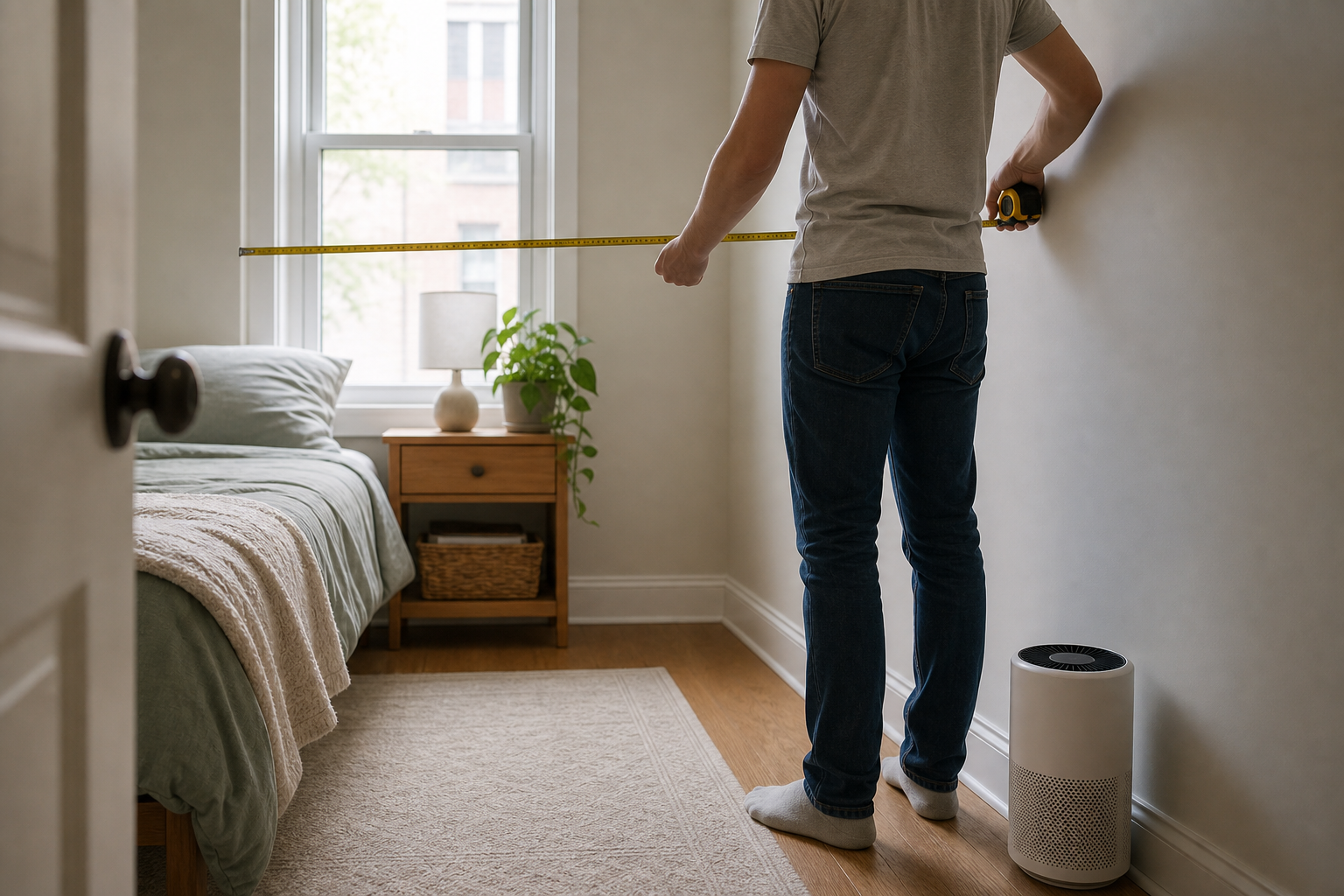
Why it matters: Purifiers are rated for maximum room area. Undersizing leaves particles in the air; oversizing wastes money. Common range: 100–800 sq ft per consumer unit. If unsure: Measure the room you sleep in first—bedroom priority beats whole-apartment coverage with one device.⚠️ Common mistake: Using apartment total sq ft when the purifier will sit in one closed bedroom.
CADR rating (performance metric)
Why it matters: CADR tells you cubic feet per minute of cleaned air for smoke, pollen, or dust—the higher the number, the faster the room turns over. Rule of thumb: CADR ≥ ⅔ × room sq ft (AHAM guideline simplified). If unsure: Choose the higher CADR if ceilings exceed 9 ft (2.7 m) or the room opens to a hallway.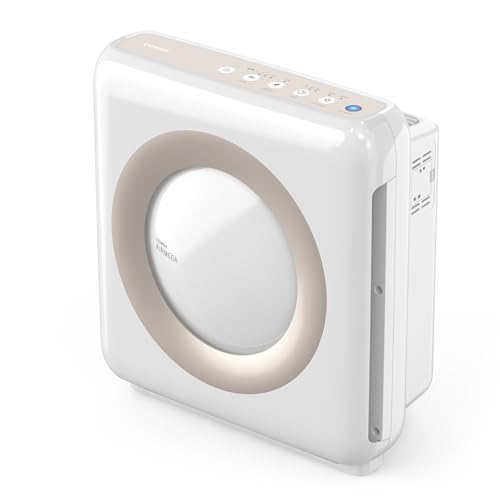
ACH — air changes per hour
Why it matters: Allergy sufferers often want 4–5 air changes per hour (ACH) in the bedroom. CADR and room volume determine ACH. Formula: ACH = (CADR × 60) / room volume in cubic feet. If unsure: Use manufacturer ACH claims as secondary—verify with CADR and your measurements when possible.Noise at sleep speed
Why it matters: An oversized unit on high cleans fast but may exceed 50 dB beside your pillow. Common range: 24–35 dB on sleep/low; 45–55 dB on turbo. If unsure: Prioritize models with auto or sleep mode for overnight use.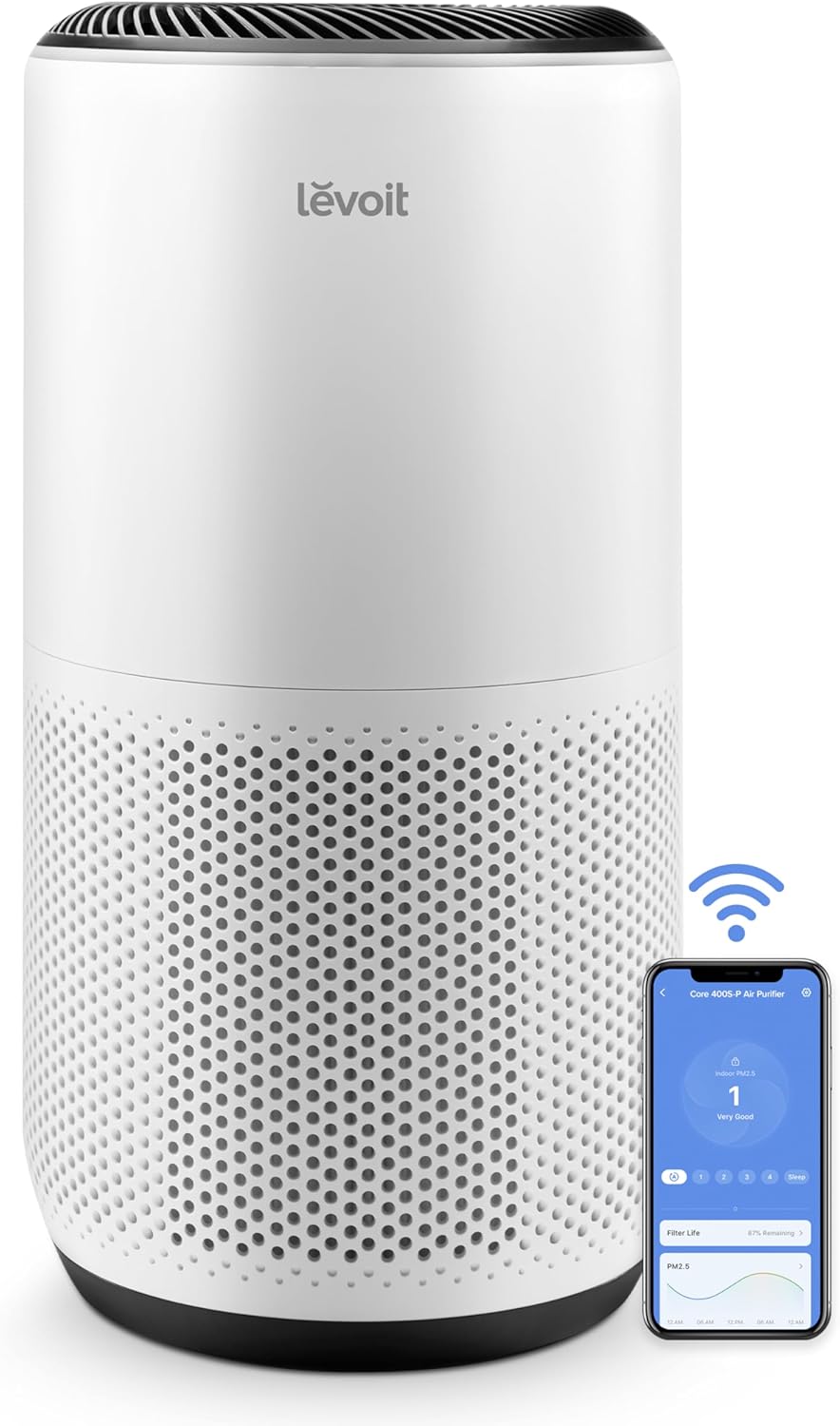
Filter cost over 3 years
Why it matters: A cheap unit with expensive proprietary filters can cost more long-term than a mid-tier model. If unsure: Budget one HEPA replacement per year for heavy use; 18 months for occasional use.Step-by-Step Choosing Framework
Step 1 — Measure and note ceiling height
Measure length and width; multiply for sq ft. For ceilings over 9 ft, bump up one size tier.
After this step, you should know: Exact sq ft and whether volume is unusually high.
Multiply sq ft by 0.67 (or use ⅔ rule). Example: 12 × 15 ft = 180 sq ft → target CADR ~120 minimum; prefer 150+ for allergies.
After this step, you should know: A CADR number to filter shopping results.Step 3 — Match tier to room category
| Room type | Sq ft | Example models |
|---|---|---|
| Small bedroom / nursery | 100–180 | GermGuardian AC4825 |
| Medium bedroom / office | 180–350 | Coway AP-1512HH |
| Primary bedroom / studio zone | 300–500 | Levoit Core 400S |
| Large room / open plan | 450+ | Honeywell HPA300, Blueair 211+ |
Step 4 — Check noise and smart features
Read owner feedback for sleep-mode noise. Decide if app scheduling matters or physical buttons suffice.
After this step, you should know: Which model fits lifestyle, not just specs.Step 5 — Plan placement and filter schedule
Corner placement 12 in from walls; door closed overnight. Calendar HEPA replacements.
After this step, you should know: Where the unit lives and annual filter cost.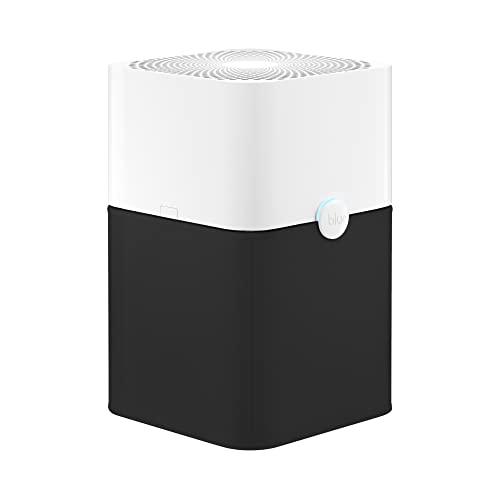
Models by Room Size
Small bedroom / budget — GermGuardian AC4825
Room fit: Up to ~150 sq ft · CADR class: Entry HEPA Pros: Lowest cost true HEPA; slim tower. Cons: Underpowered beyond small rooms. Price: $80–$120 · Price checked: June 1, 2026 Check GermGuardian 4-in-1 HEPA Air Purifier Price on AmazonMedium room — Coway AP-1512HH Mighty
Room fit: 200–400 sq ft · CADR: ~240 smoke (manufacturer) Pros: Auto eco mode; compact footprint. Cons: No app on base model. Price: $180–$230 · Price checked: June 1, 2026 Check Coway Airmega AP-1512HH(W) True HEPA Purifier Price on AmazonAll-around bedroom — Levoit Core 400S
Room fit: 300–700 sq ft (manufacturer) · Best for: Primary bedroom with app control Pros: Smart scheduling; strong CADR for price. Cons: Taller form factor. Price: $200–$250 · Price checked: June 1, 2026 Check LEVOIT Air Purifiers for Home Large Room Price on AmazonLarge room — Honeywell HPA300
Room fit: 450+ sq ft · CADR: High throughput class Pros: One of the highest consumer CADR ratings. Cons: Loud on high; bulky. Price: $250–$300 · Price checked: June 1, 2026Check
Price on Amazon
Large room + design — Blueair Blue Pure 211+
Room fit: 400–600 sq ft · Style: Fabric pre-filter, Scandinavian look Pros: High airflow; washable pre-filter. Cons: Premium price and filters. Price: $300–$350 · Price checked: June 1, 2026 Check Blueair Blue Pure 211+ Price on AmazonFor full pros/cons and comparison tables, see Best Air Purifiers for Allergies in 2026.
Common Mistakes
- Sizing for an open apartment with one bedroom door closed — The purifier only treats the room it is in.
- Ignoring open doorways — Hallway air exchange lowers effective ACH; size up or close door at night.
- Choosing ionizer-only "purifiers" — Ozone-generating units are not HEPA substitutes for allergens.
- Placing behind furniture — Blocks intake; efficiency drops sharply.
How We Evaluated
Byline: HomeGlean Editorial Team · Indoor airHomeGlean uses AI-assisted research to analyze public product information, user-review patterns, and scenario fit. Every article is reviewed by a human editor before publication. We do not conduct hands-on product testing unless explicitly stated.
We cross-referenced AHAM CADR guidance, manufacturer room-size claims, and owner feedback on noise and real-world bedroom use. Prices checked June 1, 2026.
What You'll Walk Away With
- CADR ↔ sq ft math you can run on your phone calculator
- Why oversizing a bedroom hurts noise and filters
- When to read our allergy picks vs. stop at sizing alone
FAQ
Is CADR the same for smoke, pollen, and dust?
Numbers differ slightly by particle type. Smoke CADR is commonly quoted as the headline figure. For allergies, dust and pollen CADR are most relevant—check spec sheets for all three when available.
Can one purifier clean two rooms?
Only with open doors and continuous operation—and effectiveness drops in the farther room. Size for the room where the unit sits, not combined sq ft.
Do I need a purifier in every room?
Start with the bedroom where you spend 6–8 hours. Add living-area units if symptoms persist or you have pets in shared spaces.
What about ceiling height in lofts?
High ceilings increase volume. Use ACH formula or choose a model rated for the next size tier up.
How do I know if my current purifier is too small?
If dust accumulates at the same rate and allergy symptoms do not improve after 2–3 weeks of continuous use with a fresh filter, CADR may be insufficient for the space.
Related Reading
- How to Reduce Bedroom Dust: A Room-by-Room Action Plan
- Air Purifier vs Dehumidifier: Which Do You Actually Need?
- Best Air Purifiers for Pet Hair and Dander in Open-Plan Homes
AI + Editor Transparency
We used AI tools to draft sections of this article and generate concept visuals where noted. Human editors verified CADR guidance, model room ratings, pricing, and internal links before publication.
For EU readers: This content was created with assistance from artificial intelligence and reviewed by human editors before publication.Affiliate Disclosure
HomeGlean is reader-supported. When you buy through links on our site, we may earn an affiliate commission at no extra cost to you. Learn more about how we test and recommend products.
Last updated: June 1, 2026 · Prices and availability may change.